
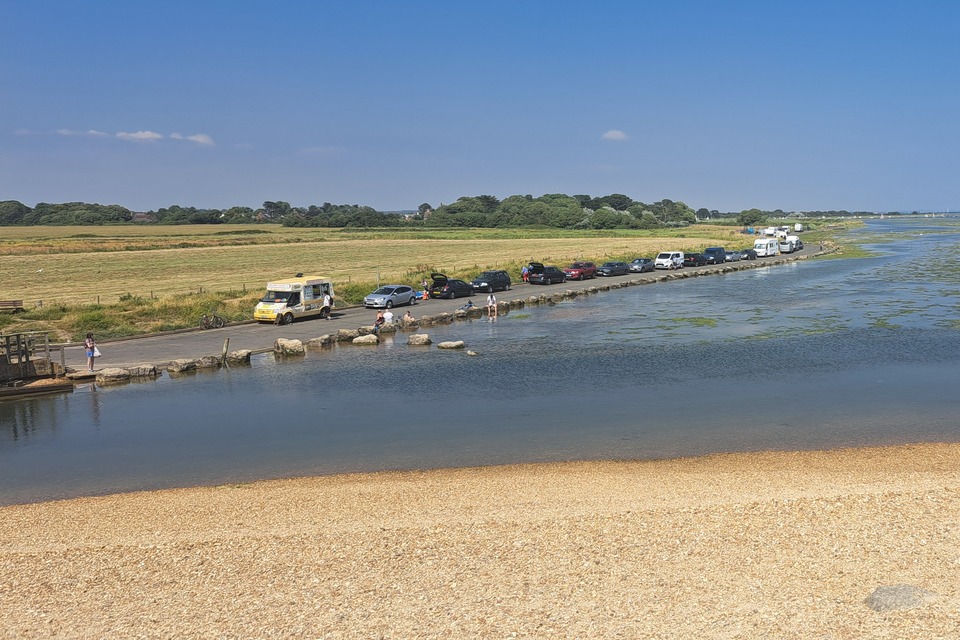
A comprehensive strategy to manage the long-term impacts of climate change along the 15-kilometre stretch of coastline between Hurst Spit and Lymington is set to be shared with the public this summer through a series of community drop-in events and webinars.
Led by the Environment Agency in partnership with New Forest District Council, Hampshire County Council, Natural England, and JBA Consulting, the draft strategy makes recommendations to address increasing risks posed by sea-level rise and flooding across this environmentally and historically significant area.
Over the next 100 years, these pressures are expected to affect homes, businesses, heritage assets and key coastal habitats.
The number of properties at risk will increase from 35 present day to 360 in 100 years.
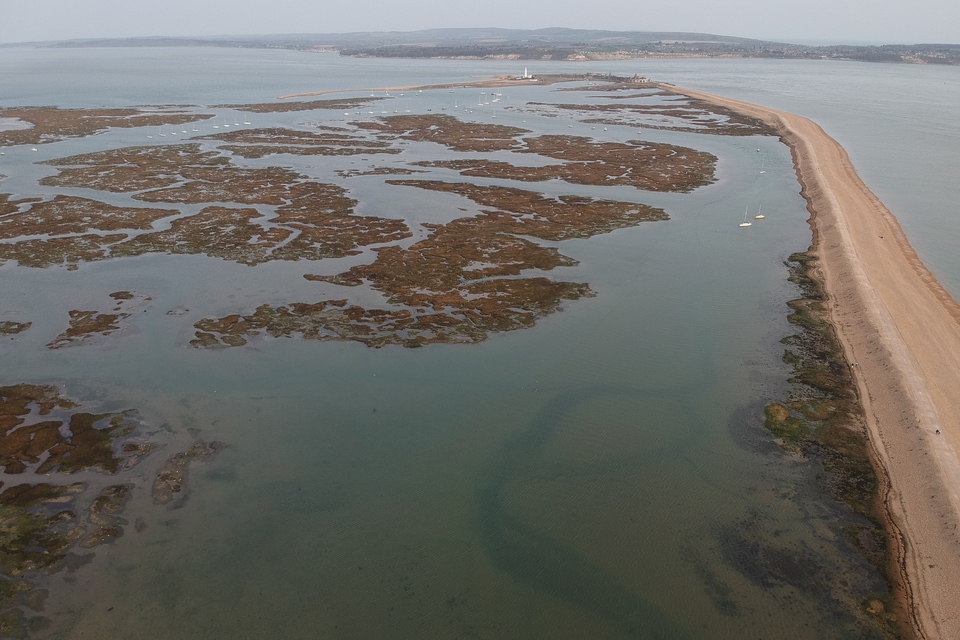
Internationally important landscapes such as saltmarsh, mudflats, and vegetated shingle, vital for biodiversity are particularly at risk, especially in low-lying sections of the coastline.
Community engagement opportunities
A summer programme of events and webinars will support the public consultation
Residents, businesses, and stakeholders are encouraged to attend upcoming events to learn more about the strategy and provide feedback. Experts will be on hand to explain findings, discuss the proposed approaches to managing future risks.
Public drop-in sessions:
-
Bridge Centre, Milford on Sea – Friday 19 June, 2pm to 7pm
-
Lymington Masonic Hall –Wednesday 1 July, 3pm to 7pm
-
Lymington Masonic Hall –Thursday 2 July, 10am to 2pm
-
Lymington Community Centre – Saturday 11 July, 10am to 1pm
-
Bridge Centre, Milford on Sea – Friday 24 July, 11am to 4pm
-
St Thomas Church, Lymington – Friday 4 September, 11am to 3pm
-
All Saints Church Hall, Milford – Saturday 12 September, 10am to 1pm
-
Bridge Centre, Milford on Sea – Monday 21 September, 11am to 3pm
Online webinars:
-
Wednesday 8 July, 7pm to 8.30pm
-
Wednesday 9 September, 7pm to 8.30pm
To register: email hurstspit2lymington@environment-agency.gov.uk
The strategy adopts an “adaptation pathway” approach: a flexible approach that allows coastal management decisions to evolve over time.
By continuously monitoring changes such as sea-level rise, habitat condition, and flood risk, proposals can be adjusted accordingly and implement the most appropriate interventions when they are needed.
Dave Martin, area flood and coastal risk manager at the Environment Agency, said:
The Hurst Spit to Lymington Strategy represents a significant step towards protecting homes and habitats on this important stretch of coastline.
The strategy provides a clear plan for how we will work with partners over the next 100 years to help communities adapt to the continuing impacts of climate change, creating a resilient place for people, nature and future generations.
Cllr Geoffrey Blunden, portfolio holder for Environment at New Forest District Council, said:
This strategy is vital to shaping a sustainable and resilient future for our community, and it’s important that it reflects the needs of those who live, work and visit this area of coastline.
I would strongly encourage residents to attend the events, take the time to understand the strategy, and share their thoughts through the consultation.
Background
Strategy key messages:
-
Change is unavoidable due to climate change. Rising sea levels, increased storm intensity, and higher river flows mean the coastline cannot be maintained in its current form long-term, and action is needed to manage increasing flood risk.
-
The strategy aims to balance people, property, and the environment. The approach seeks to protect homes and infrastructure while also enhancing natural habitats, supporting wildlife, and valuing heritage and local uses of the coastline.
-
A flexible, long-term approach will be used. An “adaptation pathway” allows plans to evolve over time in response to changing climate conditions, funding availability, and new evidence, rather than committing to a single fixed solution now.
-
Working with nature is a key part of the solution. Managed realignment and allowing natural coastal processes will help create new habitats, reduce coastal squeeze, store carbon, and improve long-term resilience.
-
Trade-offs and impacts are inevitable. The strategy involves difficult choices, including changes to access, loss or relocation of habitats, impacts on moorings and land, and significant funding requirements, but aims to achieve the best overall outcome for future generations.
Further information is available on the Hurst Spit to Lymington Coastal Strategy website.